
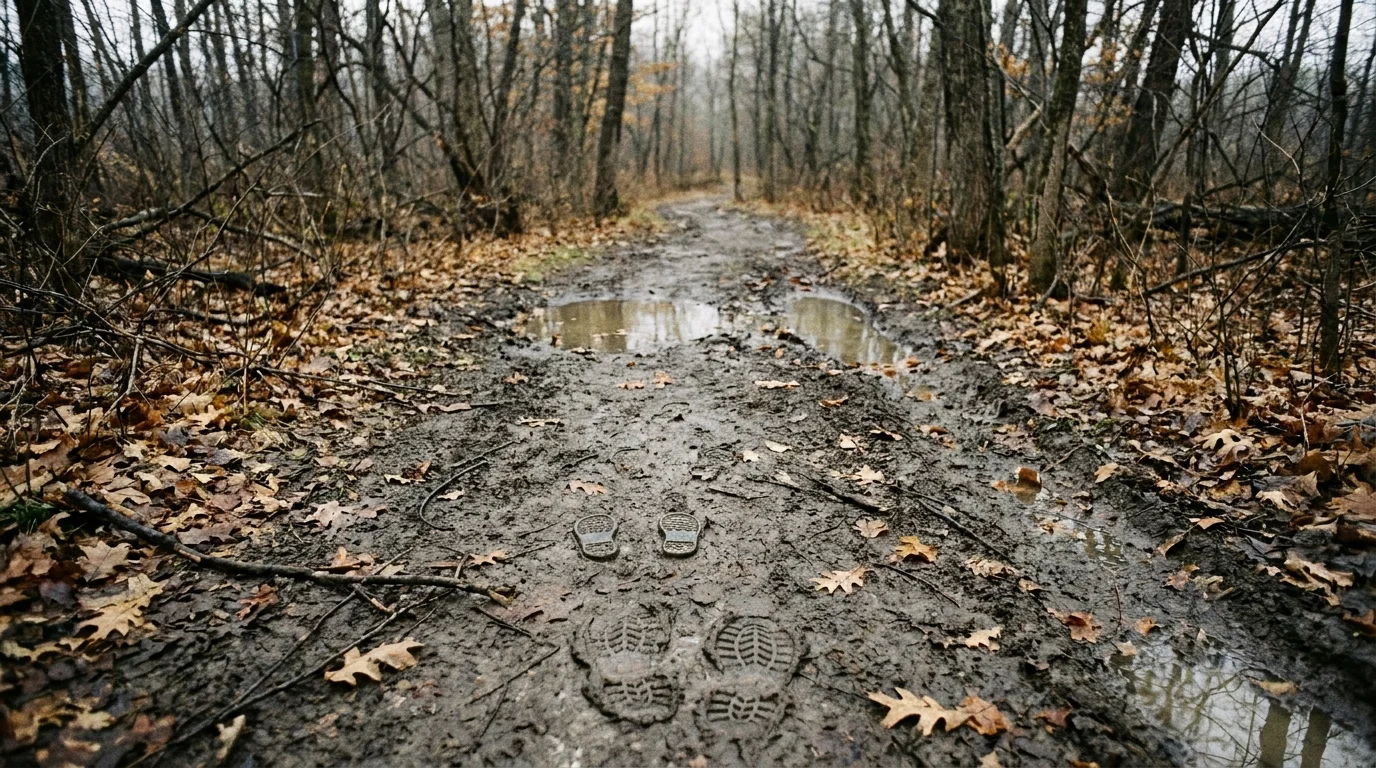
Most parents don’t need convincing that their children should be outdoors more. What they need is the thing that gets everyone through the door on a grey Saturday in November when nobody wants to move.
The Canadian Wildlife Federation has a list for exactly that. Seventeen reasons to get outside, split between reasons for the children and reasons for the adults taking them.
We’re passing it along because it’s practical rather than preachy, and because it comes from a Canadian organisation writing about Canadian families.
One number worth holding onto
Buried in that list is a finding from the Canadian Fitness and Lifestyle Research Institute that we keep coming back to.
Children who take part in unorganized physical activity after school take about 1,300 more steps a day than other Canadian children.
Unorganized is the operative word. Not a league, not a coach, not a scheduled session with a start time and a fee. Children deciding among themselves what the game is and where its boundaries are.
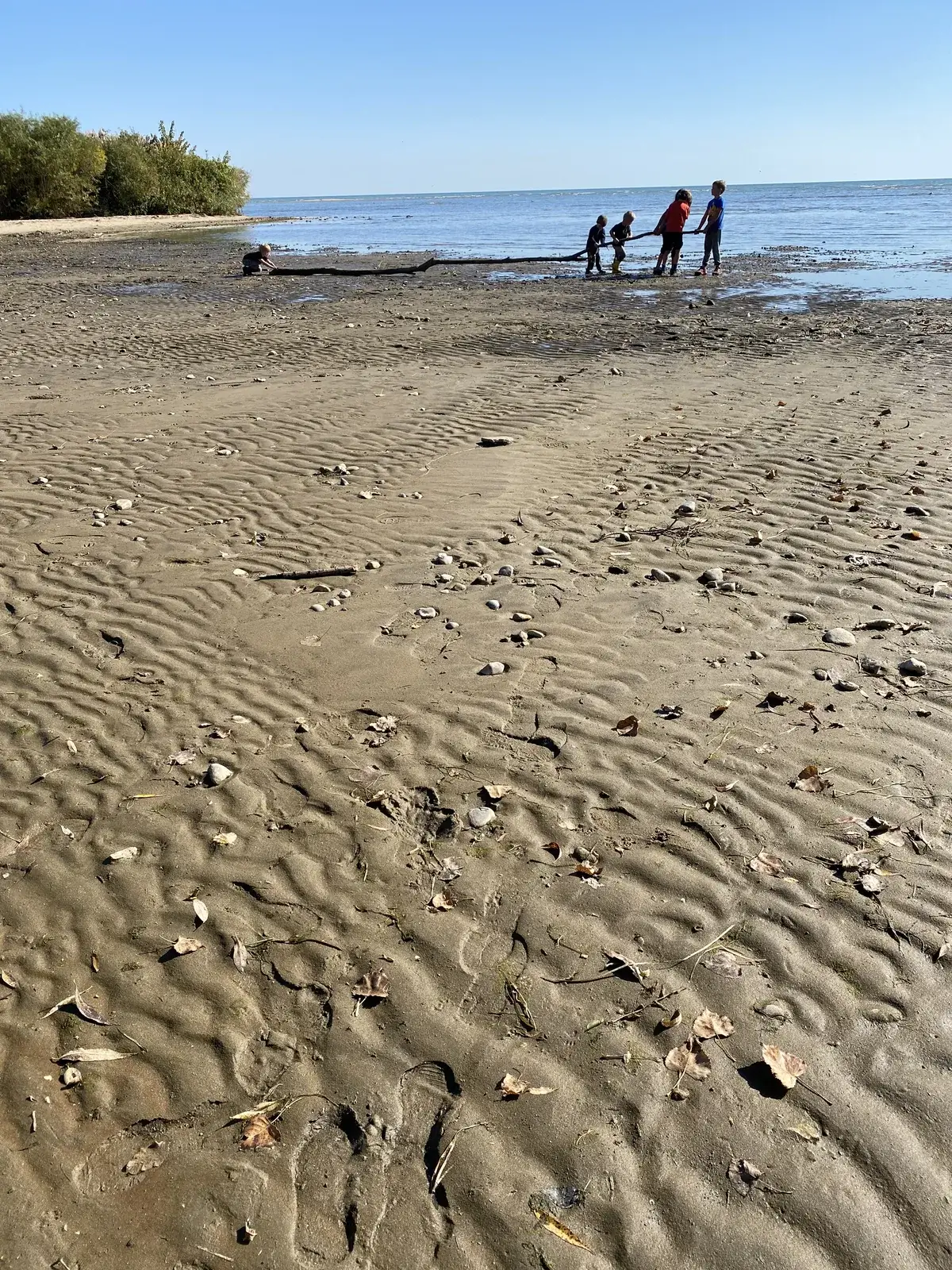
That fits what we see. The most physically active stretch of a WONDERfield day usually isn’t a lesson. It’s the part where a group of children have decided a fallen branch marks the edge of something and are busy sorting out the rules.
A note on the rest of that list: it gathers claims from a range of places, and several arrive without a source attached. Treat it as a good set of prompts rather than a research summary. The reasons that matter to your family probably aren’t the ones with numbers anyway.
What outside gives you that a gym doesn’t
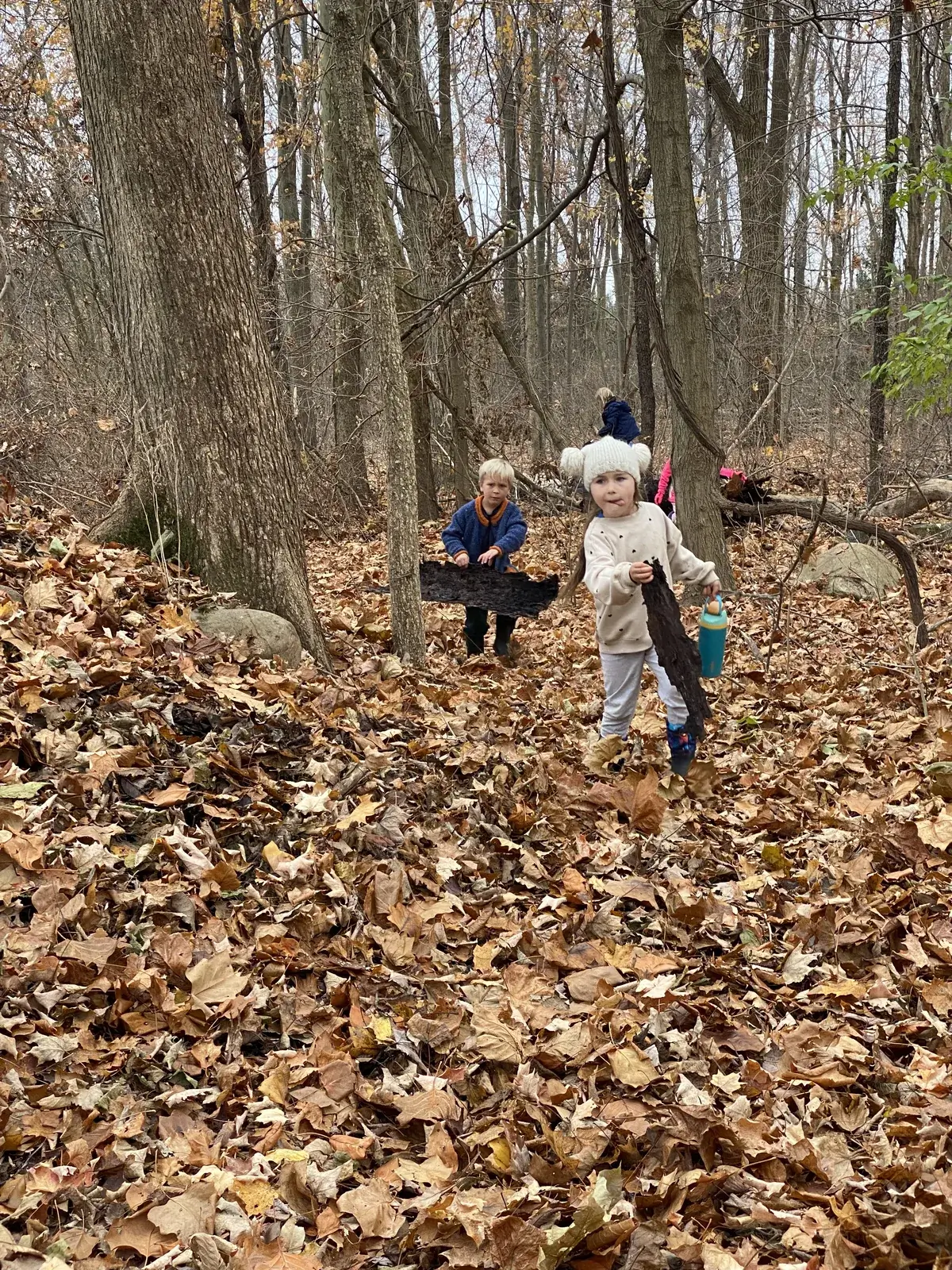
The list makes a point we’d underline, which is that outdoor activity and exercise aren’t the same thing.
Being outside changes light exposure, which affects sleep. It changes what a child’s eyes spend the day focusing on, which matters at a time when short-sightedness in children is climbing. It puts them in contact with weather, uneven ground and living things that behave unpredictably.
It also changes how children play together. Indoors, and especially around a screen, children tend to end up doing parallel things in the same room. Outdoors they clump. The game requires other people, and so does sorting out the argument about the game.
What this looks like across a year in Essex County
Living here makes this considerably easier than it would be in a city, and the seasons each offer something different.
In spring our students are watching what’s returning. Essex County sits on a major migration route, and the birds arriving are a genuine event rather than a topic. Planting starts in the community gardens.
Summer and early autumn belong to the Lake Erie shoreline and the conservation areas. Water, shorelines, insects, the long slow business of watching something change week by week.
Autumn is for collecting, sorting and drawing. Seeds, leaves, the preparations animals make that a child can actually observe if they’re taken to the right place and asked to look.
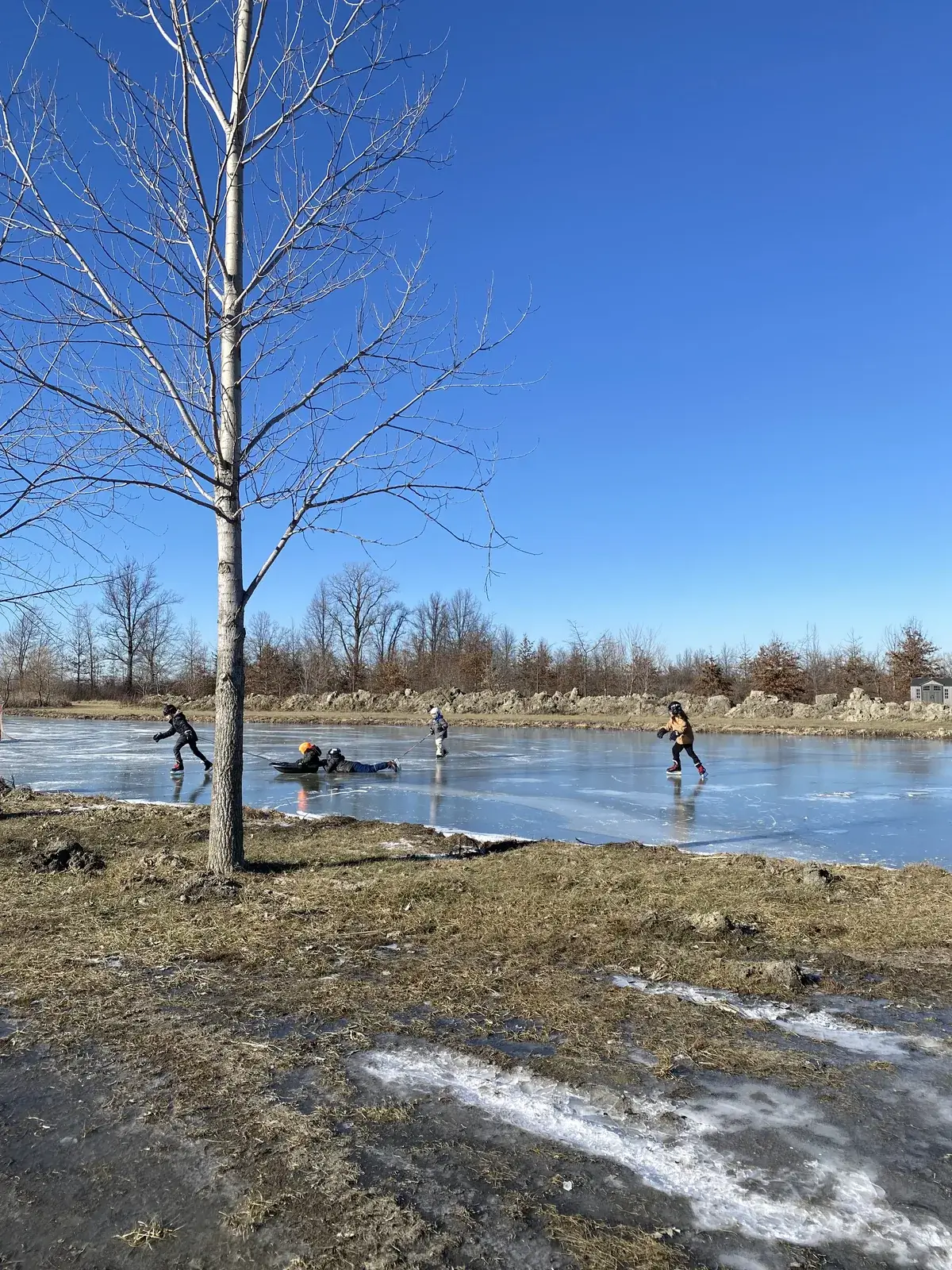
Winter is the season most families give up on, and it rewards persistence more than any of them. Tracks in snow tell a story that’s invisible for the rest of the year. Bare trees show their structure. The light is extraordinary and the crowds are gone.
Every Thursday afternoon we run WONDERquests, which take our students out to conservation areas, farms, museums and historic sites regardless of what the sky is doing.
The part for the adults
The second half of the list is aimed at parents, and we’d suggest not skipping it.
The argument there is that the walk you take with your child isn’t only for your child. Time outdoors is associated with better mood, better sleep and a lower stress load for the adult too, and a parent who is less frayed is a different parent to be around.
There’s a version of family outdoor time that’s really just supervision, where an adult stands at the edge holding a phone while the children play. The suggestion is that you’re better off joining in, and that you’ll get more out of it than you expect.
Read the list
17 Reasons to Get You and Your Kids Outside, April Overall, Canadian Wildlife Federation.
It was published in 2020, so some of the research it points at has been overtaken, and as noted, a fair number of its claims don’t say where they came from. It’s still a useful list of prompts, and it’s rare to find one written for this country and this climate.
If exactly one of the seventeen gets your family out the door next weekend, it’s done its job. That’s more than most articles about children and nature manage.
Ready to learn more about how WONDERfield Community School can nurture your child’s love of learning? We’d love to share more about our approach and answer your questions. Visit our contact page to schedule a school tour or chat with our team about your family’s educational journey.